A conditioner and a cooker both apply heat and moisture to seed before flaking, but a conditioner runs a 15-30 minute cycle for standard seed prep while a cooker extends that to 20-40 minutes with a multi-stage design for seeds that need deeper thermal treatment, like high-protein soybean. Both operate in the same 60-70°C temperature range — the difference is residence time and treatment intensity, not temperature.
What a conditioner does
A conditioner's job is straightforward: raise seed moisture from 8-10% incoming to a 10-12% target and bring temperature to 60-70°C, using direct steam injection plus indirect heating. Over 15-30 minutes, this makes seed plastic enough to flake cleanly, cutting flaking power consumption by 15-20%. It's the standard prep step for most oilseed varieties moving toward the flaker — purpose and operation covers the stage in full.
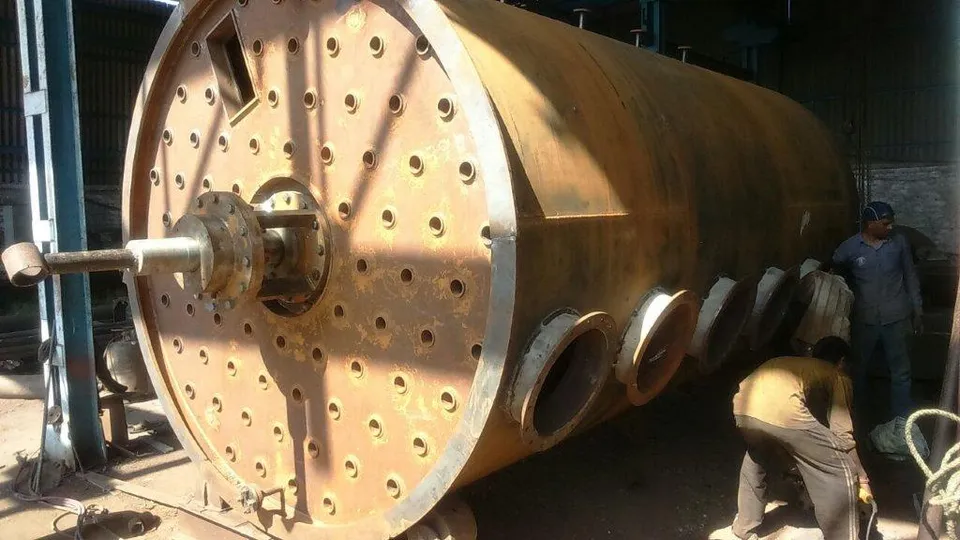
What a cooker does differently
A cooker runs the same temperature range but for longer — 20-40 minutes — and through a multi-stage design with distinct heating, cooking, and tempering sections. That extra time and staging is what's needed to fully denature proteins, break down cell walls, and inactivate enzymes in seeds with tougher structures or higher protein content. Standard conditioning wouldn't give heat enough time to penetrate these seeds fully, which would leave oil less accessible during extraction. See how cooking improves oil yield for the multi-stage detail.
Side-by-side
| Conditioner | Cooker | |
|---|---|---|
| Temperature range | 60-70°C | 60-70°C |
| Residence time | 15-30 minutes | 20-40 minutes |
| Design | Single-stage mixing | Multi-stage (heating, cooking, tempering) |
| Primary goal | Moisture and plasticity for flaking | Protein denaturing, cell wall breakdown |
| Typical use | Standard seed varieties | High-protein soybean, hard-structured seeds |
Which step your seed needs
Standard oilseed varieties — most sunflower, rapeseed, and moderate-protein soybean batches — are well served by conditioning alone ahead of flaking. High-protein soybean and other hard-structured seeds benefit from the cooker's longer, multi-stage treatment because the extra residence time is what actually gets heat deep enough into the seed to denature proteins fully. Some plants run both in sequence for particularly demanding feedstock, but the choice ultimately comes down to how resistant your seed structure is to standard conditioning.
Getting the decision wrong in either direction
Specifying a cooker for feedstock that only needed conditioning adds unnecessary residence time and equipment cost without a corresponding yield benefit — the seed simply doesn't need the extra 10-20 minutes of treatment. Going the other way, specifying only a conditioner for feedstock that actually needs a cooker's extended, multi-stage treatment risks under-treated seed reaching the flaker, which shows up later as inconsistent flake quality and reduced extraction yield that's harder to diagnose after the fact than it would have been to prevent up front. If your plant processes a mix of seed types with varying protein content, it's worth testing actual batches rather than assuming one thermal treatment stage fits every feedstock that comes through the door.
Export Availability
Manufactured at Pragya's Pithampur (Indore) works and exported to oil seed processing plants worldwide — 22+ countries across 5 continents to date. Every export order ships with material test certificates, ocean-freight packing, and full customs documentation, quoted FOB or CIF.
Interested in our industrial equipment?
Our export team, based in Indore, India, will recommend the right solution and quote FOB or CIF pricing for your shipment.
Request a quote