A solvent extraction plant processes oil seed through a sequence of mechanical and thermal stages — cracking, conditioning or cooking, flaking, and expanding — before solvent extraction pulls the remaining oil out of the prepared material. Each stage exists to make the seed progressively easier for solvent to reach the oil efficiently in the final extraction step.
Step 1: Seed cracking
Whole seeds start too large and irregular for flaking. A seed cracker breaks them into 4-6 uniform pieces using counter-rotating corrugated rolls (HRC 55-60 hardness), cutting downstream flaking power consumption by 20-30% and protecting flaker rolls from damage by oversized seed. See the first step in oil seed processing for detail on this stage.
Step 2: Conditioning (or cooking, for harder seeds)
Cracked seed at 8-10% moisture is too dry and brittle to flake cleanly. A conditioner raises moisture to 10-12% and temperature to 60-70°C over 15-30 minutes using steam injection, cutting flaking power use by another 15-20%. High-protein soybean or hard-structured seeds may instead go through a cooker, which extends this treatment to 20-40 minutes across a multi-stage heating, cooking, and tempering design to fully denature proteins and break down cell walls. Both stages are covered in depth: conditioner purpose and operation and how cooking improves oil yield.

Step 3: Flaking
Conditioned seed goes through a flaker, which compresses it into flakes 0.25-0.35mm thick using precision-ground rolls at HRC 60-65. This increases surface area 10-15x over cracked seed, which is the single biggest factor in how efficiently solvent can reach the oil in the extraction stage that follows — our flaker machine guide covers roll hardness and fines control.

Step 4: Expanding
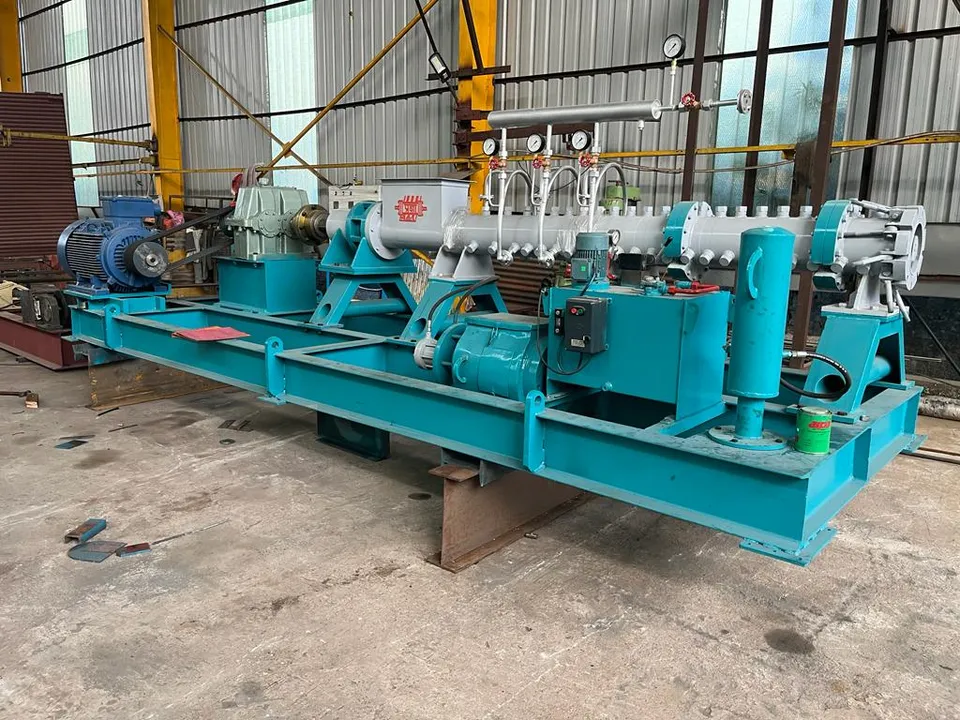
Flaked material passes through an expander (also called an extruder — the terms are interchangeable in this equipment category), which uses a screw press with steam injection (3-8% by weight) to pelletize the material, increasing bulk density 40-50% (0.4-0.5 to 0.6-0.7 kg/L). This denser, porous structure lets the extraction column run higher throughput while reducing solvent consumption 15-25%. On the naming, see expander vs extruder.
Step 5: Solvent extraction and downstream processing
The expanded material enters the solvent extraction column, where solvent draws out the oil that pre-processing has made accessible. Some plants add a mechanical pre-press stage — a squeezer — before this step for high-oil seeds, extracting 60-70% of oil mechanically and leaving only 12-18% residual oil for the solvent stage to finish (more on pre-pressing). After extraction, meal passes through a drier cooler, dropping temperature from 100-110°C to about 40°C and moisture to 10-12% for safe storage (function and design).
Why the sequence matters
Each stage in this line exists because skipping it or doing it poorly degrades the stage that follows — uncracked seed damages flaker rolls, poorly conditioned seed flakes inconsistently, thick flakes limit solvent contact, and unexpanded material limits column throughput. Pragya builds the full solvent extraction equipment line. The reason a plant needs this many discrete pieces of equipment rather than one machine is that each stage is solving a specific mechanical or thermal problem that the next stage depends on being solved correctly.
Export Availability
Manufactured at Pragya's Pithampur (Indore) works and exported to oil seed processing plants worldwide — 22+ countries across 5 continents to date. Every export order ships with material test certificates, ocean-freight packing, and full customs documentation, quoted FOB or CIF.
Interested in our industrial equipment?
Our export team, based in Indore, India, will recommend the right solution and quote FOB or CIF pricing for your shipment.
Request a quote